


interview-preparation
Interview Preparation: A Complete, Practical System
Prepare for an interview with a repeatable system covering role research, evidence selection, format practice, questions, logistics, and post-interview review.
Interview Pilot Editorial Team
3 min read
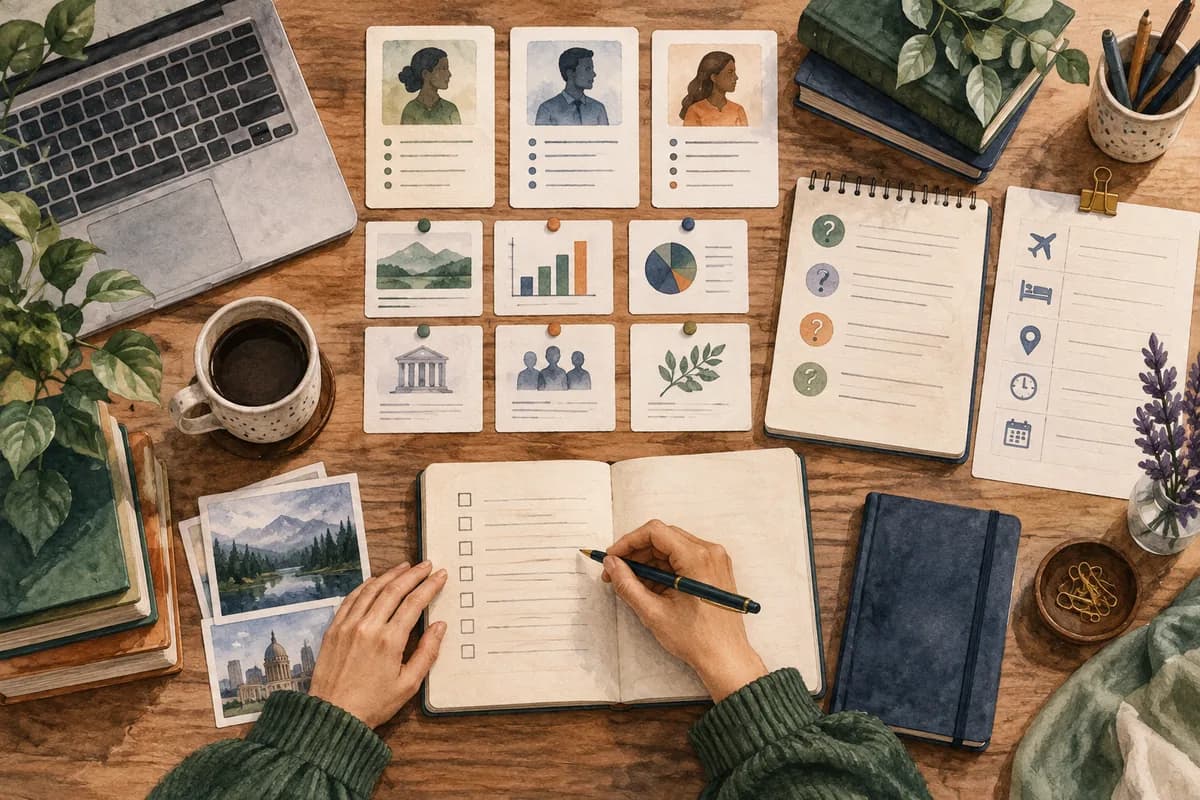
Interview preparation is the work of matching real evidence to a specific hiring decision. The best system is not the one with the longest question list; it is the one that helps you understand the role, retrieve relevant examples, reason clearly, and handle the actual format. OPM’s structured-interview guidance explains why job-related questions and consistent evaluation criteria matter.
Decode the role before practicing answers
Read the posting for outcomes, responsibilities, constraints, stakeholders, and level—not only skill keywords. Identify the three to five capabilities that appear central and note questions for anything ambiguous.
Research the company and team through current first-party sources. Confirm the interview stages, participants, tools, and assessments with the recruiter; preparation built on the wrong format wastes time.
Build a compact evidence bank
Choose six to eight events that cover accomplishment, conflict, failure, leadership, learning, ambiguity, and difficult execution. Record the context, decision, actions, result, and lesson for each.
Use the behavioral interview guide to practice flexible retrieval. Your examples should be truthful, distinct enough to avoid repetition, and detailed enough to survive follow-up.
Prepare the core narrative
Your opening should connect present work, relevant progression, and why this opportunity follows logically. The tell-me-about-yourself guide provides a structure without turning the answer into a memorized autobiography.
Prepare concise explanations for your motivation, transition, major strengths, a real development area, and any visible resume question. Keep the framing consistent with the application.
Rehearse the real task
Practice aloud under the expected time and medium. For technical or case work, solve unfamiliar prompts and review your reasoning. For presentations, rehearse transitions, timing, and questions. For video, test the actual device and network.
Record one practice only if reviewing it will change something specific. Fix distracting habits, unclear structure, or missing evidence; do not chase a perfectly polished persona.
Prepare questions and logistics
Use the questions-at-the-end guide to prepare questions about priorities, constraints, decision rights, success measures, and team operation. Remove anything already answered.
Confirm location, time zone, names, accessibility needs, materials, route or connection, and a backup contact. On the day, protect enough margin to arrive calm rather than using the last minutes for more study.
Review evidence after the interview
Write down what was assessed, where an answer lacked support, and what follow-up was promised. Send any agreed material promptly and follow the employer’s timeline.
Do not interpret every delay as a verdict. Improve the parts you control, preserve accurate notes, and continue other applications until a written offer is accepted.
Topics
interview preparation
interview practice
job interviews
Continue reading

Interviews
What Makes You Unique Sample Answers: 8 Proven Examples
8 what makes you unique sample answers for technical, finance, product, and junior roles, with analysis and tips to tailor each one to your interview.
November 4, 2026
17 min read
Interviews
Interview Question to Ask: 10 Questions by Stage and Role
Use the best interview question to ask at every stage, from screening to final rounds, and see why each matters for engineering, product, and finance roles.
November 4, 2026
19 min read
Interviews
10 Tax Interview Questions You Should Prepare For
Master the 10 most common tax interview questions with sample answers, key topics to review, and tips for entry-level to senior tax roles.
October 31, 2026
17 min read